

Seeing the pop-up message “There was an error connecting to the Apple ID server” (or “There was a problem connecting to the server”) on your Mac, iPhone, or iPad can stop you from signing in, downloading apps, or setting up a new device. Even more confusing, this error often pops up when your regular Wi-Fi and web browser are working completely fine.
I ran into this exact error on my own MacBook and tested a few quick fixes to clear it. Here are the simplest troubleshooting steps that get your Apple Account signing in again.
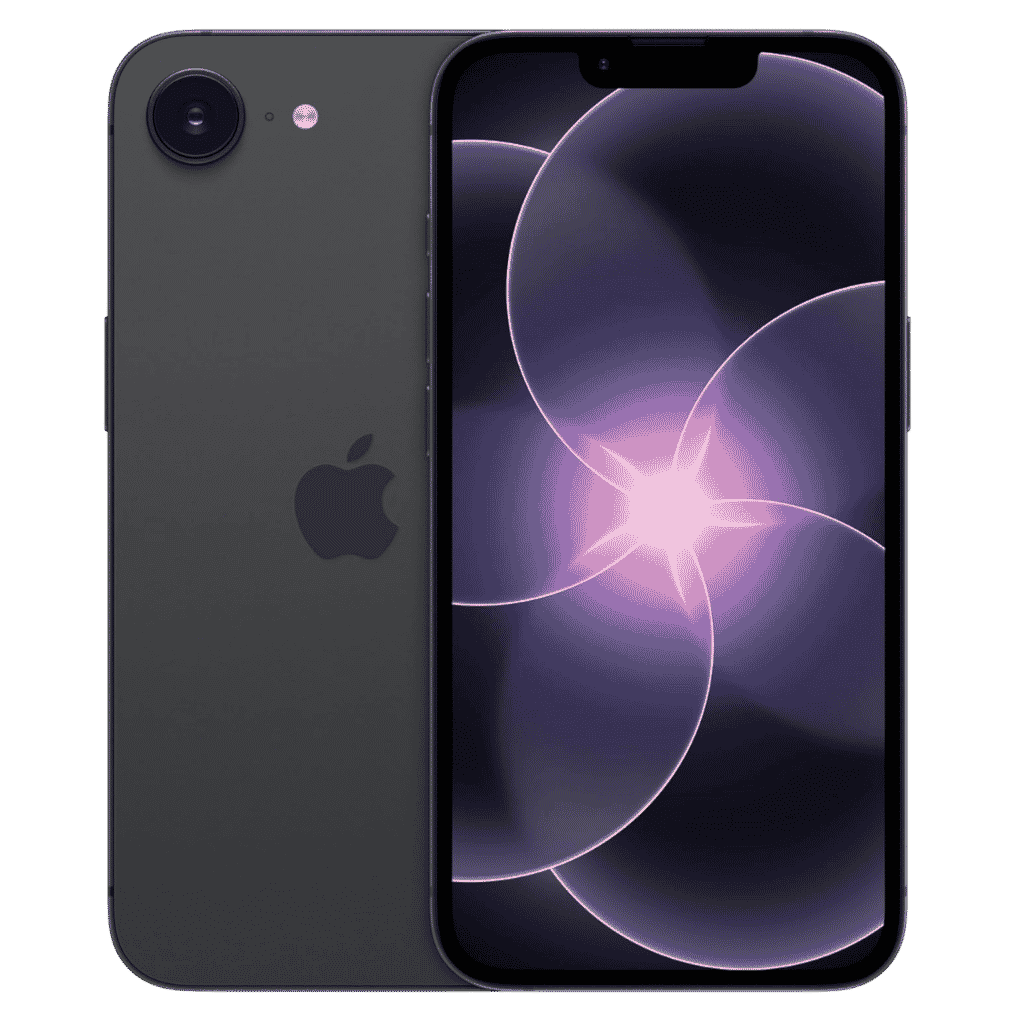
Apple iPhone 17e - 256GB
iPhone 17e features 6.1 inch Retina Display, 256GB Storage, Ceramic Shield 2 with 3X better scratch Resistant. Magsafe Wireless Charging and A19 Chip powers this beautiful device.
Affiliate link. As an Amazon Associate I earn from qualifying purchases.

- Turn off VPNs & switch networks: Disconnect any active VPN, proxy, or custom DNS, and test switching from Wi-Fi to a mobile hotspot (or vice versa).
- Set Date & Time to Automatic: Open System Settings > General > Date & Time on Mac (or Settings > General > Date & Time on iPhone) and turn on Set time and date automatically.
- Check Apple System Status & restart: Visit apple.com/support/systemstatus to confirm Apple Account & Sign In is green, then restart your device and sign in again.
Table of Contents
How to Fix “There Was an Error Connecting to the Apple ID Server”
Work through these six steps in order on your MacBook, iMac, iPhone, or iPad until the server error clears.
1. Check Apple System Status First
Before changing any settings on your device, make sure Apple’s own sign-in servers are online. Visit the official Apple System Status page and look for Apple Account & Sign In, App Store, and iCloud Account & Sign In.
If any of those services show a yellow or red outage icon, the problem is on Apple’s end rather than your MacBook or iPhone. Wait an hour or two until the status turns green, then try signing in again.
2. Turn Off VPNs and Test Another Wi-Fi Network
Even when websites load normally in Safari or Chrome, Apple’s authentication servers can block connections routed through a VPN, corporate firewall, or custom DNS filter:
- Disconnect any VPN app: Open your VPN app (or go to Settings > VPN) and turn it off temporarily while you sign in.
- Switch Wi-Fi or use a hotspot: Connect your MacBook or iPhone to a different Wi-Fi network or your phone’s cellular hotspot for two minutes to complete the Apple ID login.
- Toggle Airplane Mode (iPhone/iPad): Turn Airplane Mode on for 15 seconds, then turn it back off to refresh your network connection.
3. Fix Date & Time Settings (Set Automatically)
Apple’s security certificates check your device’s clock before connecting to your Apple Account. If your date, time, or time zone is off by even a few minutes, macOS and iOS will refuse the connection and show an Apple ID server error:
- On Mac: Open System Settings > General > Date & Time and turn on Set time and date automatically and Set time zone automatically using your current location.
- On iPhone or iPad: Open Settings > General > Date & Time and toggle Set Automatically on.
If that switch is locked on your iPhone, check our guide on how to fix Set Automatically greyed out in Date and Time settings.
4. Restart Your Device and Verify at account.apple.com
A quick reboot clears stuck background authentication processes on both Mac and iPhone. Restart your device once, then open Safari and sign in at account.apple.com first.
Signing in on the web prompts you to accept any updated Apple Terms and Conditions or complete two-factor verification, which often unblocks the sign-in screen in System Settings or the App Store right away.
5. Sign Out of Your Apple ID and Sign Back In
If you are already signed in partially and keep getting server errors when opening iCloud or the App Store, refreshing your account session usually solves it:
- Open System Settings on your Mac (or the Settings app on iPhone/iPad).
- Click or tap your Apple Account (Name) at the very top.
- Scroll down and select Sign Out (keep a copy of your iCloud data if asked).
- Restart your Mac or iPhone, then sign back in with your Apple ID email and password.
If the server error only happens when downloading or updating apps on your Mac, you do not need to log out of iCloud completely. Follow our steps to sign out of the Mac App Store under Media & Purchases and sign back in there instead.
6. Update macOS or iOS to the Latest Version
If you are running a very old version of macOS or iOS, Apple’s newer server security protocols may no longer connect properly to older system software.

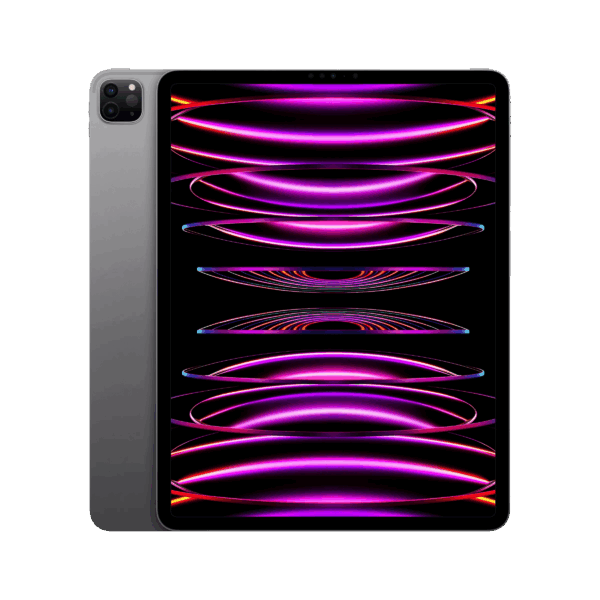
iPad Pro 11 Inch M5 Deals
iPad Pro 11 inch with M5 Chip. Ultra Retina XDR Display, 256GB Storage, LiDAR Scanner, Apple N1 Chip and All Day Battery Life.
Affiliate link. As an Amazon Associate I earn from qualifying purchases.
Open System Settings > General > Software Update (or Settings > General > Software Update on iPhone) and install any pending updates. If an older Mac cannot reach the App Store to download an update, you can create a bootable macOS USB installer from another Mac or book an appointment at an Apple Store or Apple Authorized Service Provider so a technician can update it for you.
Also Read: How to Fix iCloud Sync Problems Between Devices
Frequently Asked Questions
Why does it say “There was an error connecting to the Apple ID server”?
This error appears when your Mac, iPhone, or iPad cannot complete a secure connection to Apple’s sign-in servers. The most common causes are a temporary Apple server outage, an active VPN or firewall blocking Apple’s servers, an incorrect system date and time, or outdated macOS/iOS software.
How do I fix “There was a problem connecting to the server” when signing into Apple ID on iPhone?
First, turn off any VPN and switch between Wi-Fi and cellular data. Next, go to Settings > General > Date & Time and turn on Set Automatically, restart your iPhone, and sign in at account.apple.com in Safari before trying Settings again.
Why can’t I connect to the Apple ID server on my MacBook even though my internet works?
Regular websites can load fine while Apple’s authentication servers fail if your Mac’s clock is out of sync, a VPN or proxy is active, or your macOS version is too old for Apple’s current security certificates. Enable automatic Date & Time in System Settings and disable any VPN before signing in again.
Can I fix the Apple ID server error without losing my data?
Yes. Checking Apple System Status, disabling a VPN, fixing Date & Time settings, restarting your device, and installing macOS or iOS updates all preserve your files, photos, and apps completely.
Share this post if it helped clear the Apple ID server error on your Mac or iPhone. Have a wonderful day!